
📞 WhatsApp: +86 183 4843 4348 📧 [email protected] 📍 Zhengzhou, China

The Underrated Supporting Cast: How Handling, Dust Control, Power and Weighing Decide a Line's Success

The main machines may be perfect, but if a link in the supporting chain fails, output is zero — system reliability is set by the weakest link.

Summary: Buyers watch the dryer, the mill, the color sorter. But the problems we see most on site come from the "invisible" supporting links — and a line is only as reliable as its weakest one.

When buyers look at a production line, eyes go to the main machines — the dryer, the rice mill, the color sorter. But the problems we see most on site come precisely from those "inconspicuous" supporting links.

AmGrainTech's System Engineering
We design grain projects as integrated systems, not equipment stacking — including conveying, dust control, power backup and weighing matched to the main machines. Backed by 20+ years, a 130,000 m² base in Henan, and self-dispatched engineers for installation (not outsourced). See Processing Equipment.

1. Conveying and Elevating

Bucket elevators, scraper and belt conveyors are the skeleton of material flow. One blockage stops the whole line; selection and layout decide whether the line runs continuously.
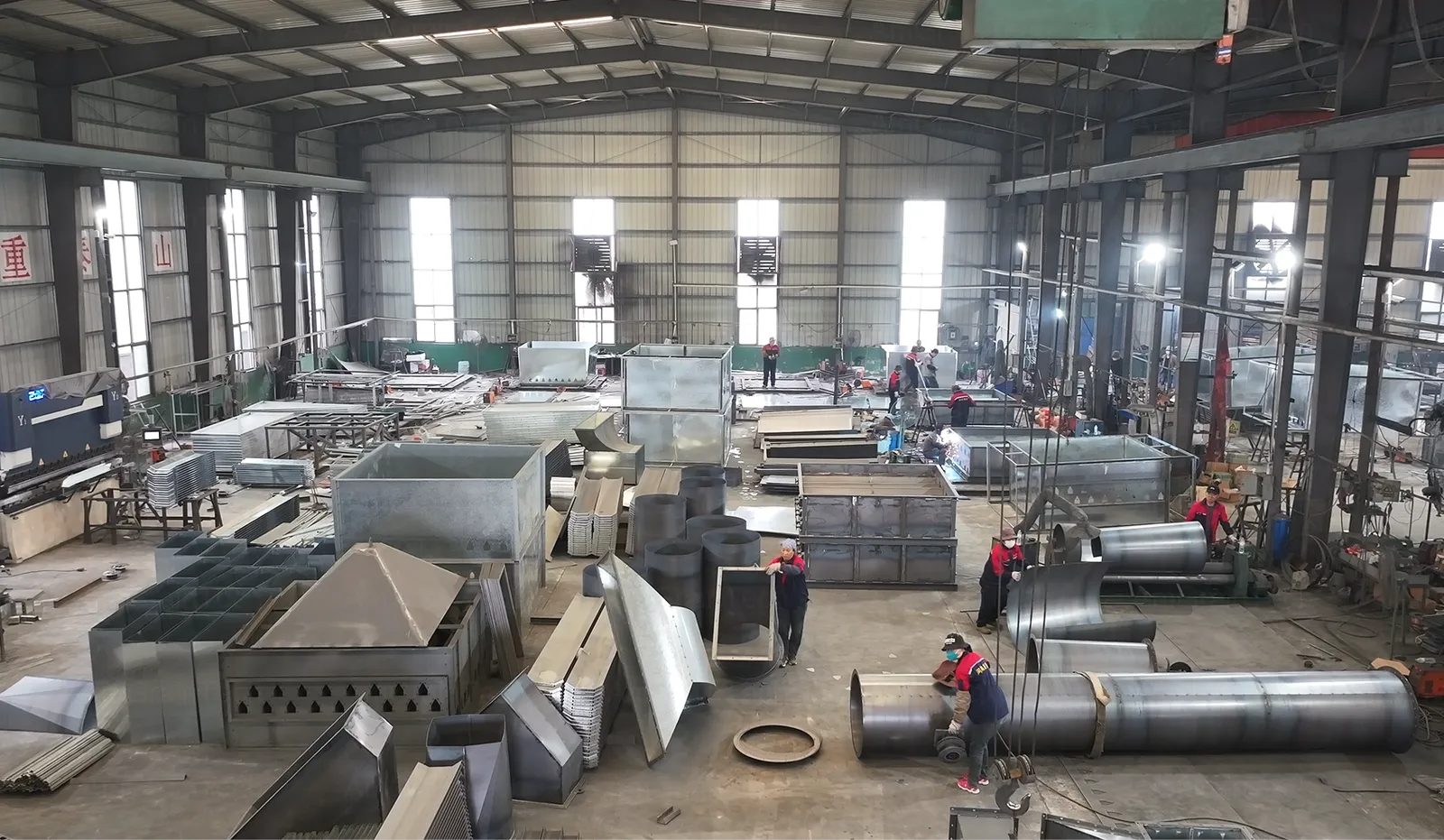
AmGrainTech workshop assembly of conveying and handling equipment
Conveying and handling are the skeleton of material flow — one blockage stops the line.

2. Dust Control and Air System

It is not only about environmental compliance — it is the baseline of safety (explosion prevention) and food hygiene. Poor dust control means an unbearable workshop at best, and an accident at worst.

3. Power Supply

In markets with unstable grids, a diesel generator set (commonly around 500 kW) is the "insurance" for continuous production. One hour of power loss can ruin an entire batch of grain in process.

4. Weighing and Metering

Truck scales (whole-vehicle in/out weighing) and in-line packing scales are the basis for trade settlement and inventory management. Weigh inaccurately and the books do not balance.
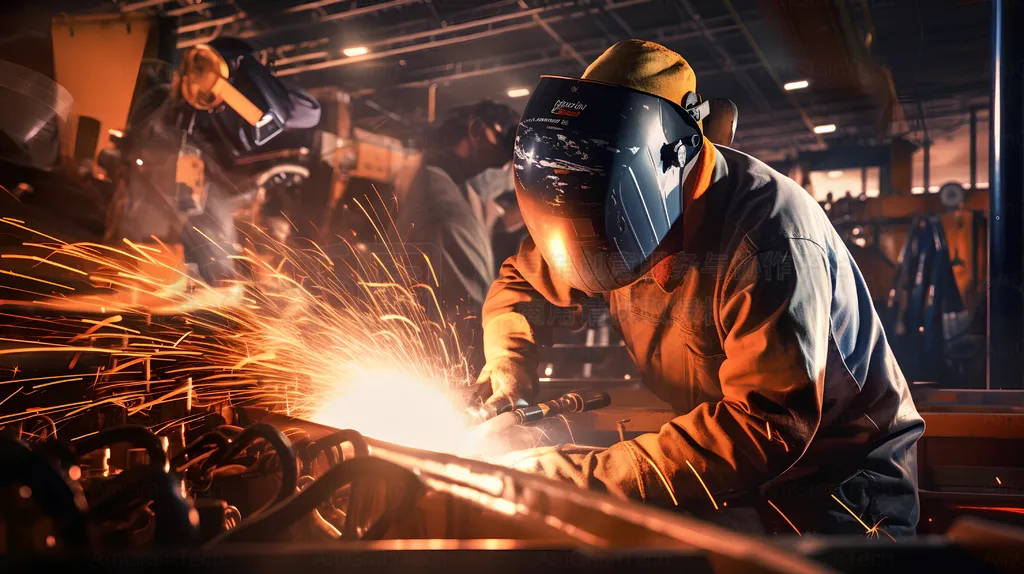
AmGrainTech workshop welding of structural components
Structural and welding quality underpins reliable supporting equipment — visible in our own workshop.

5. The System View

A grain line's reliability is set by its weakest link — the main machines may be excellent, but if conveying blocks, power cuts, or dust explodes, output is zero. This is why we design projects as systems, not equipment stacking. These "supporting" parts are a small share of investment but decide whether the main machines truly earn money for you.

FAQ
Which supporting link fails most often?
Conveying blockages and dust-system faults are the most common on-site issues, because they are easy to under-specify. Both directly stop the line or create safety risk.
Do I really need a generator set?
If your grid is unstable, yes. A 500 kW-class diesel set protects continuous production; a single long outage during processing can spoil a whole batch in the line.
Can I buy main machines first and add supporting equipment later?
You can, but mismatched supporting links become the bottleneck. We recommend designing the full chain together so capacity and reliability are balanced from day one.
How does AmGrainTech handle installation of these links?
Our own engineers (not outsourced) handle on-site installation and commissioning, including conveying, dust control, power and weighing, as part of the integrated system.

Reviewing a Line or Retrofit Plan?

Tell us where your weakest link is, and we'll walk through the system reliability with you.

Talk to Our Engineers →

* Generator capacity and equipment specs are illustrative (around 500 kW is common); final configuration depends on line load, local grid stability and site conditions.