
📞 WhatsApp: +86 183 4843 4348 📧 [email protected] 📍 Zhengzhou, China

Sizing a Steel Silo: Why Bigger Capacity Is Not Always Better

Capacity is a result, not a goal. Ventilation, temperature monitoring and level sensing decide whether grain stays safe over weeks or months.

Summary: When planning storage, many buyers first ask for the largest silo. But a silo's real value is not the steel itself — it is whether the grain stays sound until it is used.

In post-harvest handling, the steel silo is often treated as a standard part you buy as large as possible for peace of mind. But as a system integrator, the first question we ask at the design stage is not "how big" but "what to store, for how long, in what climate, and at what in-and-out rhythm."

AmGrainTech's In-House Steel Silo Engineering
The shell is roll-formed from Q355B structural steel; key components are CNC-machined to ±0.05mm tolerance, rated for -30~+45℃. Ventilation, temperature monitoring and level sensing are engineered per project — delivered in Kenya 10,000t, Angola 500 TPD and Central Africa 150 TPD + 4,000t storage. See Grain Storage Equipment.

1. Capacity Is the Result, Safe Storage Is the Goal

A silo's real value is not the steel itself, but whether the ventilation, temperature and level systems keep grain from molding and condensation over weeks or months. From a 100-tonne farm bin to an 80,000-tonne port silo, the scale differs 800 times, yet the engineering logic is the same.

2. "Bigger Is Better" Is a Trap

Oversizing raises upfront steel and foundation cost, and slows turnover — grain that sits still for long periods is more prone to problems. Undersizing leaves no room in peak season and causes field loss. We find the engineering balance between actual intake, turnover cycle and climate risk.
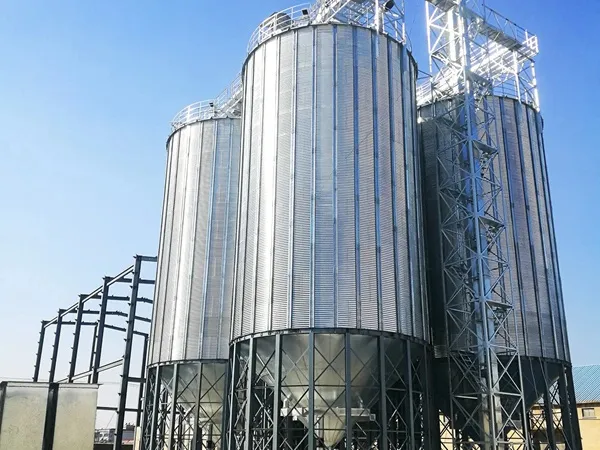
Steel grain silo group at an AmGrainTech storage project
Steel silo group sized to intake, turnover and climate — not to a default "largest possible" number.

3. Market Conditions Change the Design

High heat and humidity in West Africa demand far stricter ventilation and anti-condensation measures than the dry continental climate of Central Asia. A port transit silo and a farm storage silo run on completely different in-and-out rhythms, so equipment is configured accordingly. The same "steel silo" is not one product across projects.
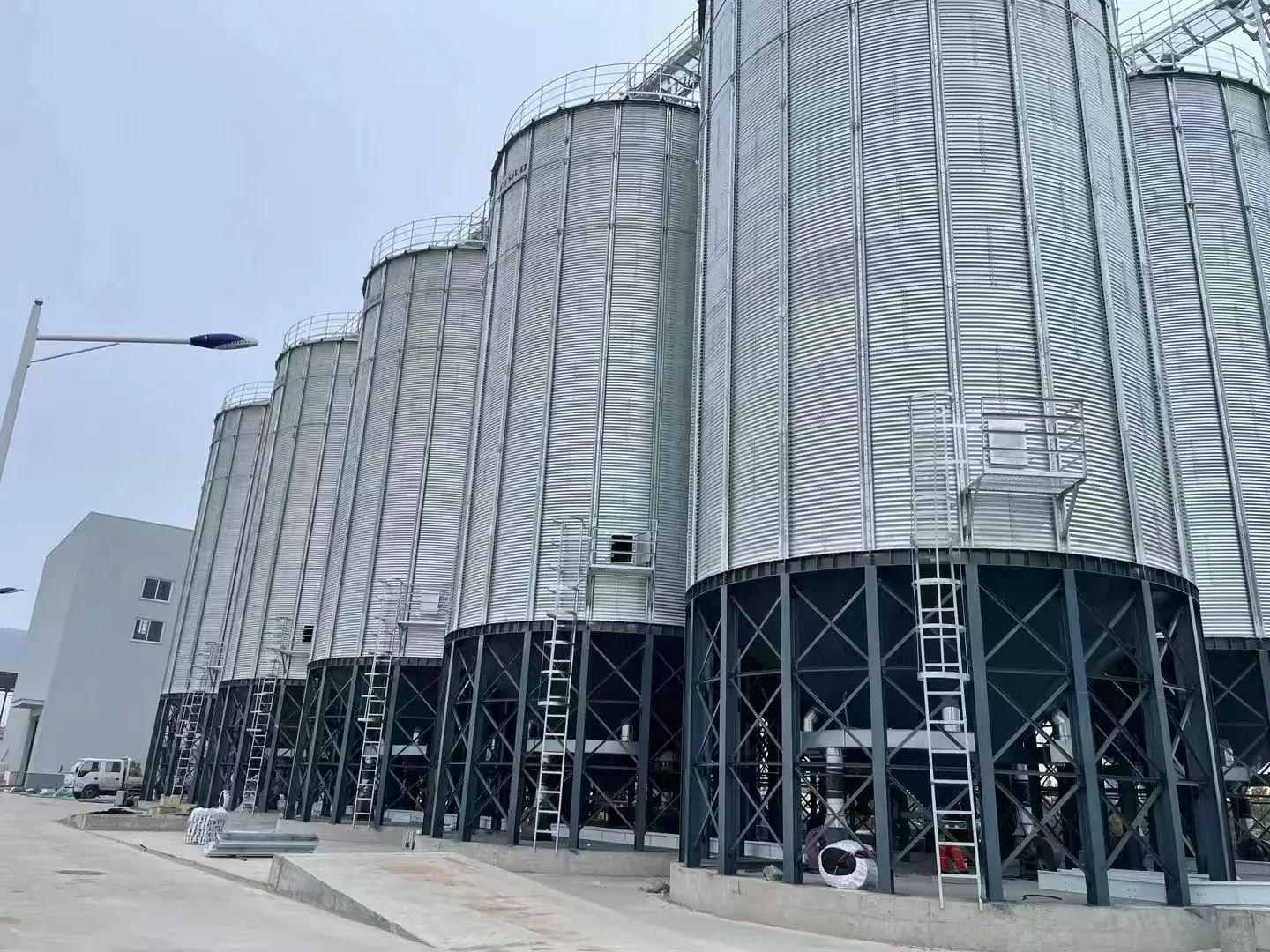
Kenya 10,000-tonne steel silo installation by AmGrainTech
Kenya 10,000t steel silo — ventilation and monitoring engineered for local conditions.

4. How We Size a Silo

We start from grain type, storage duration, local climate and turnover rhythm, then set silo type (flat- or hopper-bottom), ventilation capacity and monitoring points. The return on a silo is not in "holding more" but in "storing safely" — mold and condensation losses quietly eat far more profit over a few years than any equipment price gap.

FAQ
Is a bigger silo always safer?
No. Oversizing slows turnover and lets grain sit still, raising mold and condensation risk; it also raises steel and foundation cost. The right size comes from intake, turnover and climate, not from "as big as possible."
Do ventilation and temperature systems matter in dry climates?
Yes, but less critically than in humid regions. Even dry areas see day-night temperature swings that cause condensation; monitoring and basic ventilation still protect grain quality during long storage.
Can one silo type fit both farm and port use?
Usually not without compromise. Farm storage favors low cost per tonne at large volume; port transit favors fast, frequent discharge. We often combine flat-bottom for reserve and hopper-bottom for turnover in one project.
How does AmGrainTech confirm the right size?
We collect grain type, storage duration, climate data and in-and-out rhythm, then model ventilation and monitoring before quoting. See Steel Silo Ventilation and Temperature Control.

Planning Storage and Not Sure of the Size?

Send us your grain type, local climate and turnover rhythm, and we'll run the engineering math before discussing equipment.

Get a Silo Sizing Plan →

* Capacity and cost ranges are general industry magnitudes; final sizing must be evaluated against geological conditions, storage targets, discharge frequency and material characteristics.