
10,000T Steel Silo Group Project
National Grain Reserve · Kenya · Delivered 2019
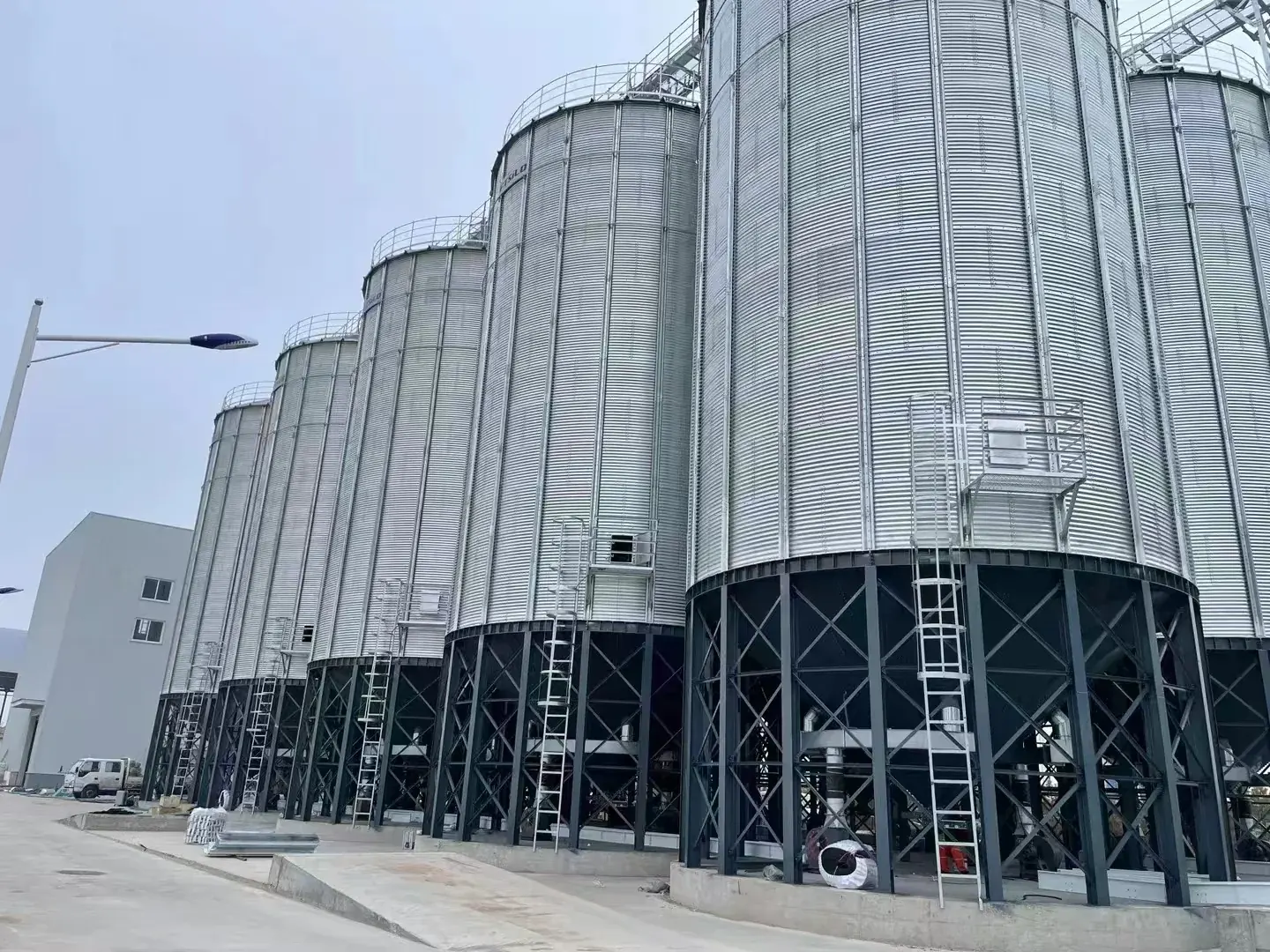
AmGrainTech delivered a 10,000T bolted hopper-bottom steel silo group in Kenya in 2019 for a national-level grain reserve and trading institution — engineered for the East African plateau's distinct dry and rainy seasons, with multi-point temperature sensing + automatic ventilation and a high-throughput handling system for peak-period turnover.
Project Gallery




Technology: Safe Storage Across Dry and Rainy Seasons
The East African plateau's alternating dry and rainy seasons punish storage that cannot manage condensation and temperature swings — and national-reserve duty demands high-volume turnover at peak periods. The design answers both:
Multi-Point Temperature Sensing + Automatic Ventilation
Temperature-sensing cables hang at multiple points in every silo; automatic ventilation fans keep in-silo temperature uniform — preventing condensation and local hot spots through season changes.
Bolted Hopper-Bottom Multi-Silo Combination
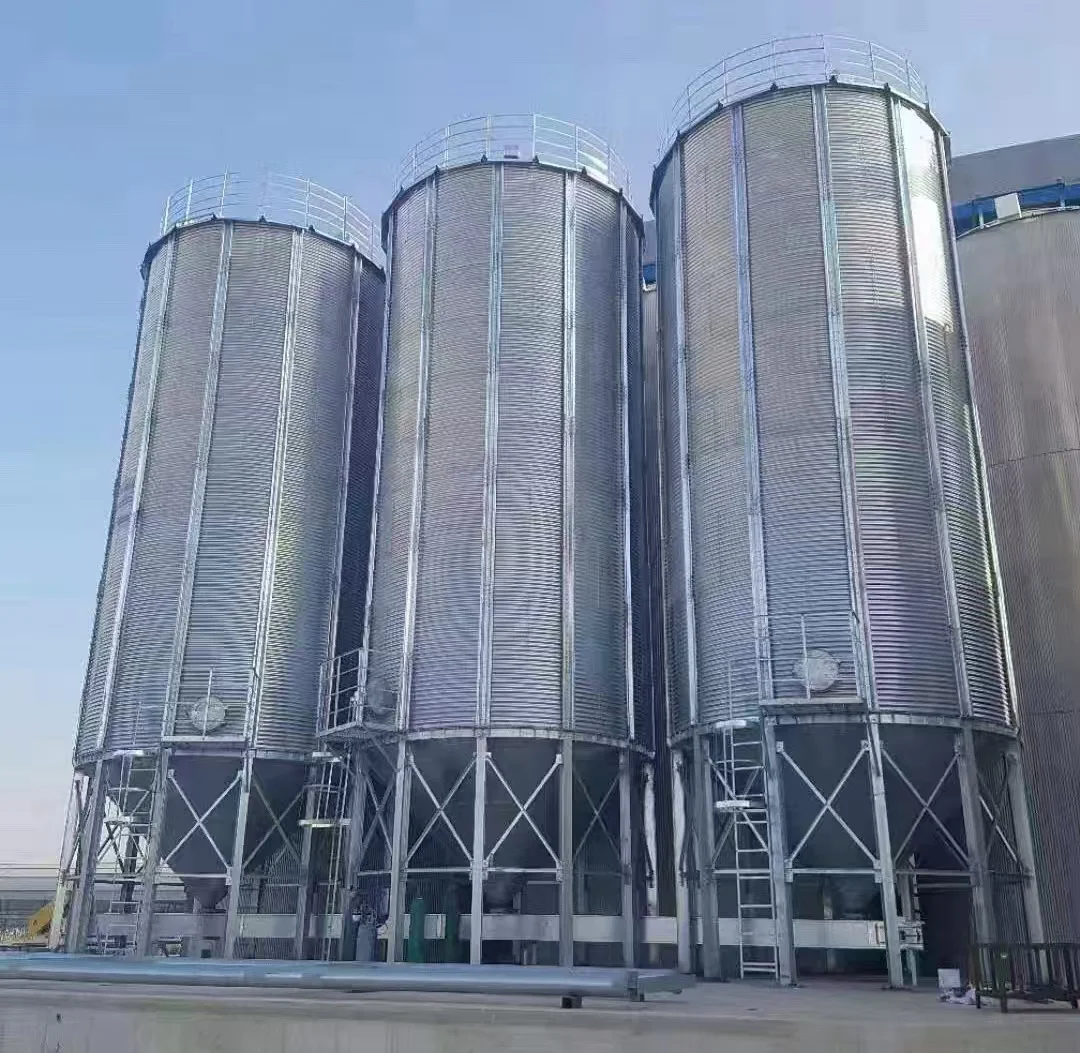
A multi-silo combination achieves the 10,000 t total with bolted assembly sealing and structural strength; hopper bottoms support clean, gravity-assisted discharge between rotations.
High-Throughput Handling
A bucket-elevator + scraper-conveyor combination matches the rapid loading/unloading turnover that national-level centralized grain operations demand at peak periods.
Project Background, Challenge & Solution
Client Background: Food security in East Africa has long been a priority for local governments and international organizations. The client is a national-level grain reserve and trading institution in Kenya, needing large-scale storage to safeguard food security and smooth market supply.
Challenge: The East African plateau has a complex climate with distinct dry and rainy seasons, imposing high requirements on silo airtightness and durability — while meeting the throughput demands of large-scale centralized grain loading and unloading.
Solution: AmGrainTech provided a bolted hopper-bottom steel silo multi-silo combination with 10,000 t total capacity, configured with centralized temperature-control ventilation (multi-point temperature-sensing cables + automatic ventilation fans) and a bucket-elevator + scraper-conveyor handling system for peak-period turnover, with axial/centrifugal fan combinations meeting ventilation and cooling needs.
Result: The silo group was delivered in 2019 as a turnkey project, giving the national reserve real-time grain-condition monitoring and safe long-term storage across seasons.
Project Outcomes
Delivery & Commissioning Timeline
Multi-silo combination designed for the site and 10,000 t duty
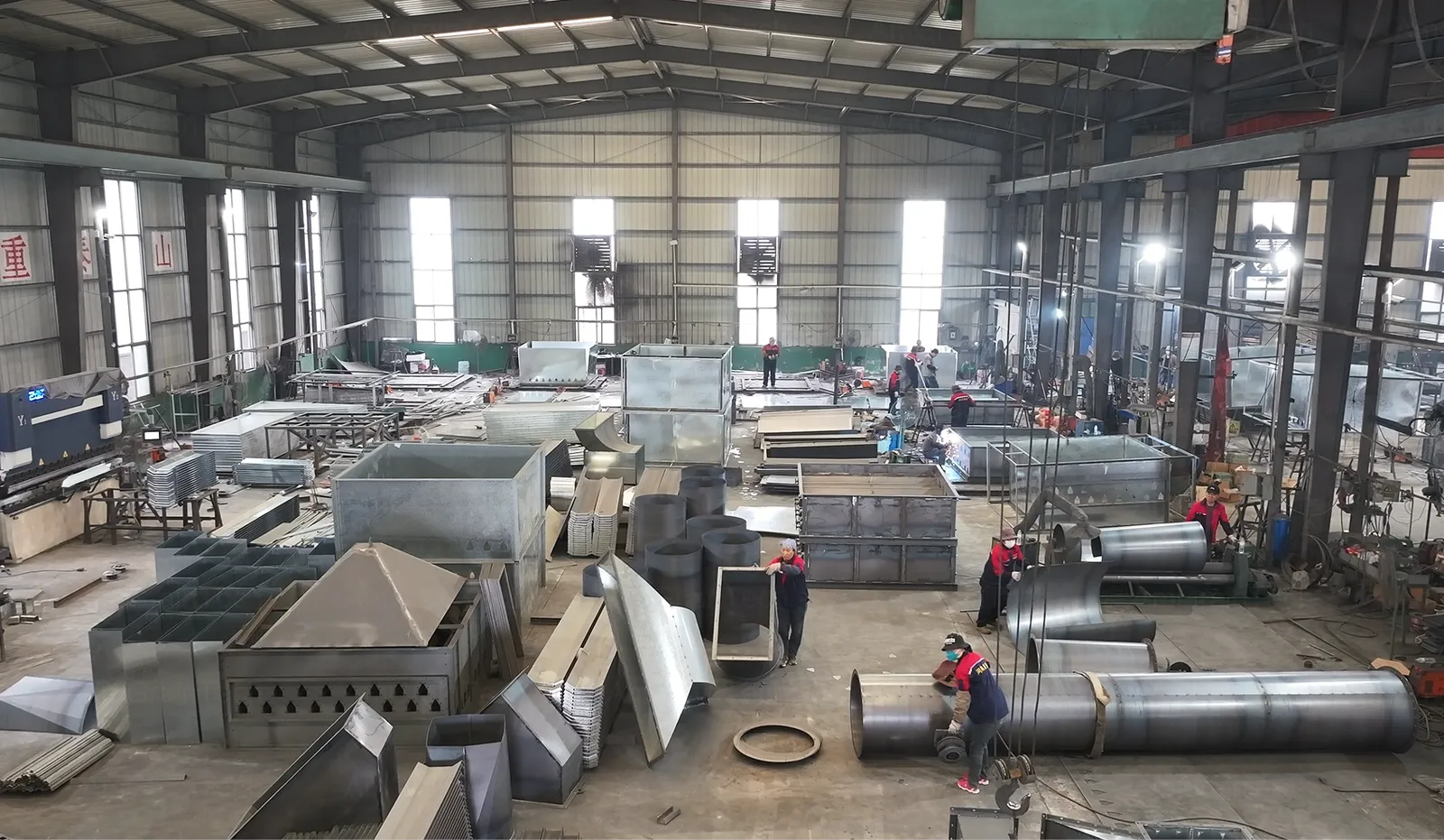
Bolted panels, hopper bottoms and handling equipment built (ISO 9001)
Turnkey on-site erection and system bring-up; completed 2019
Real-time monitoring and ventilation in service for the reserve
Why Airtightness and Monitoring Decide Reserve Storage
- Season changes drive condensation — as dry season turns rainy, warm humid air meets cooler grain; without sensing and ventilation, condensation becomes spoilage.
- Bolted assembly is serviceable strength — bolted silos seal reliably, ship flat, and can be extended with additional silos as reserve demand grows.
- Multi-silo beats single-mega — separate silos allow rotation, segregation by grain type, and partial inspection without exposing the full stock.
- Turnover is part of the mission — a reserve must move grain to market; handling sized for peak periods keeps the supply-smoothing mandate realistic.
Client Evidence
“10,000 tonnes of strategic reserve held in separate silos, with temperature sensors throughout — grain condition is checkable at any moment. Storing grain has never felt this secure.”
Frequently Asked Questions
What is the capacity of the Kenya silo project?
Who was the client?
Which grains are stored?
How is grain condition monitored?
How does the system handle dry and rainy seasons?
How is grain loaded and unloaded?
Why a multi-silo combination instead of one large silo?
What was the delivery mode?
Explore Related Solutions
Planning a silo group for reserve or trade?
Tell us your grain type, storage tonnage and climate — we return a multi-silo layout with monitoring, ventilation and handling sized to your turnover.