
120 TPD Low-Temperature Drying in Eastern Europe
Batch Low-Temp Dryer · Wheat / Barley / Rapeseed · Delivered 2024
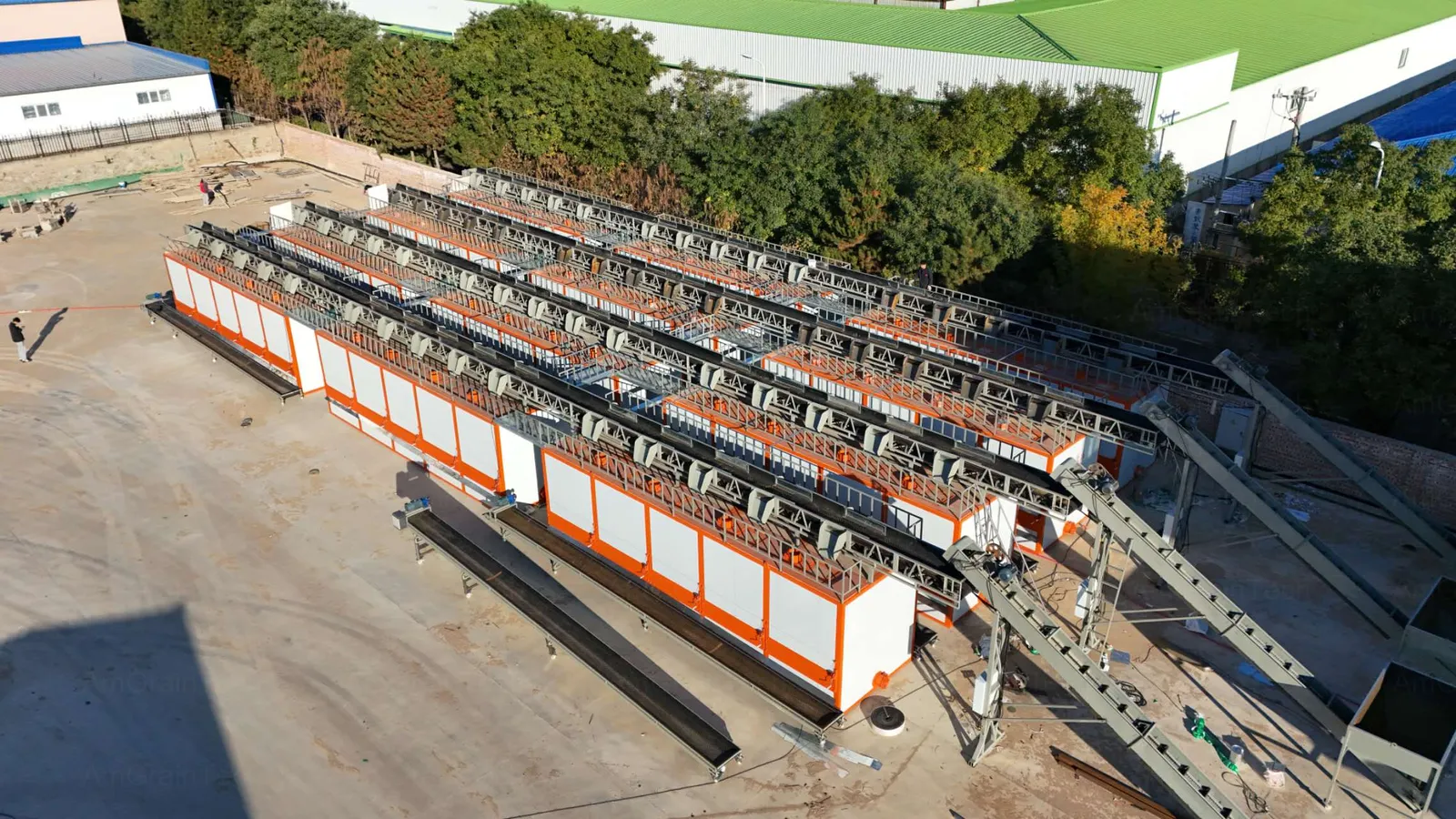
AmGrainTech delivered a 120 TPD low-temperature batch drying system in Eastern Europe in 2024 — engineered for a cold climate down to −15 °C, it holds ±0.5% post-drying moisture uniformity across wheat, barley and rapeseed, and cut fuel consumption by about 18% versus the client's previous equipment. The project became AmGrainTech's benchmark reference for cold-climate grain drying in Europe.
Project Gallery
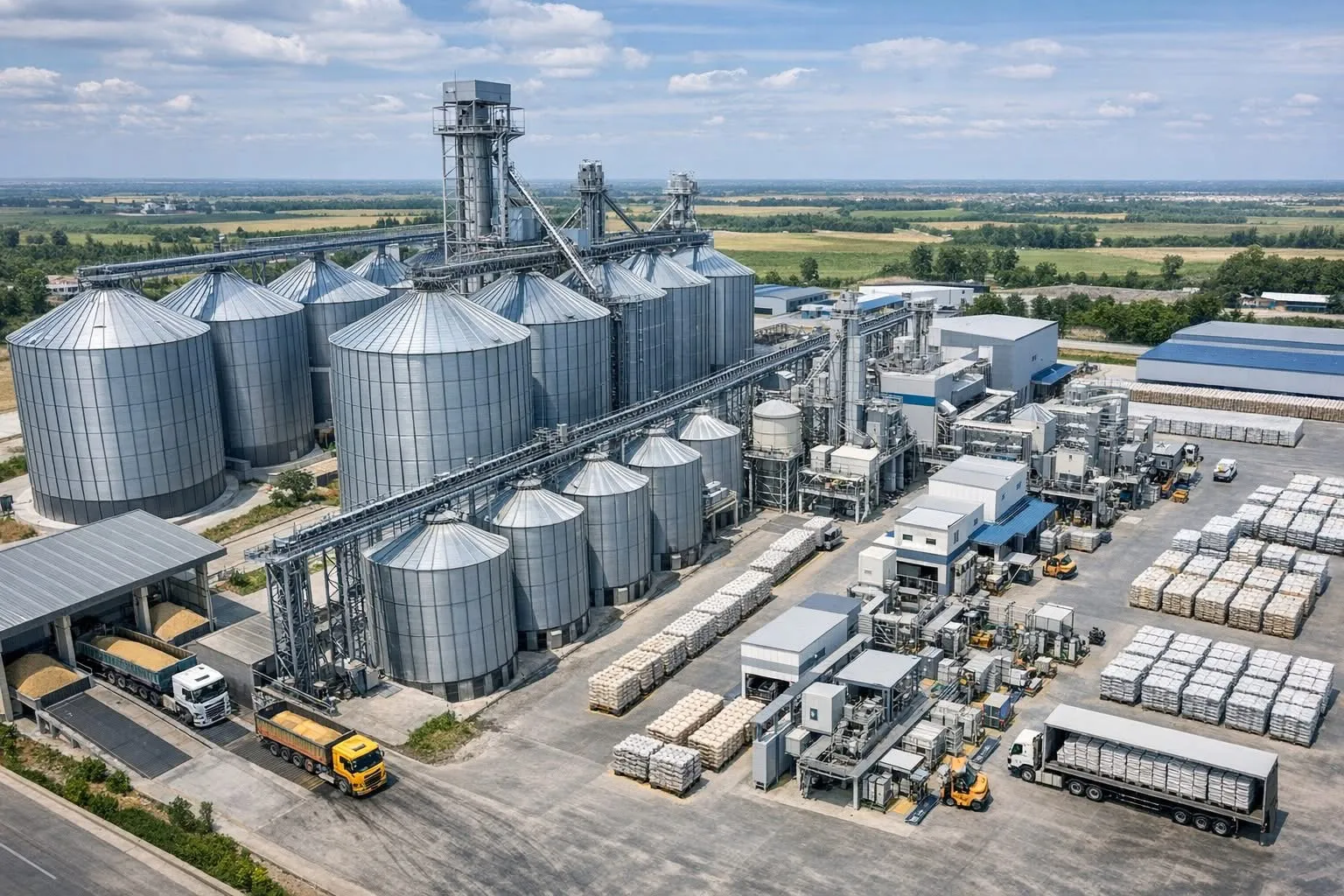
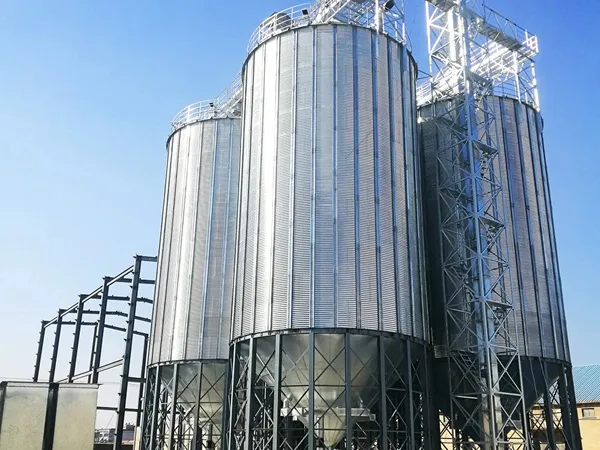
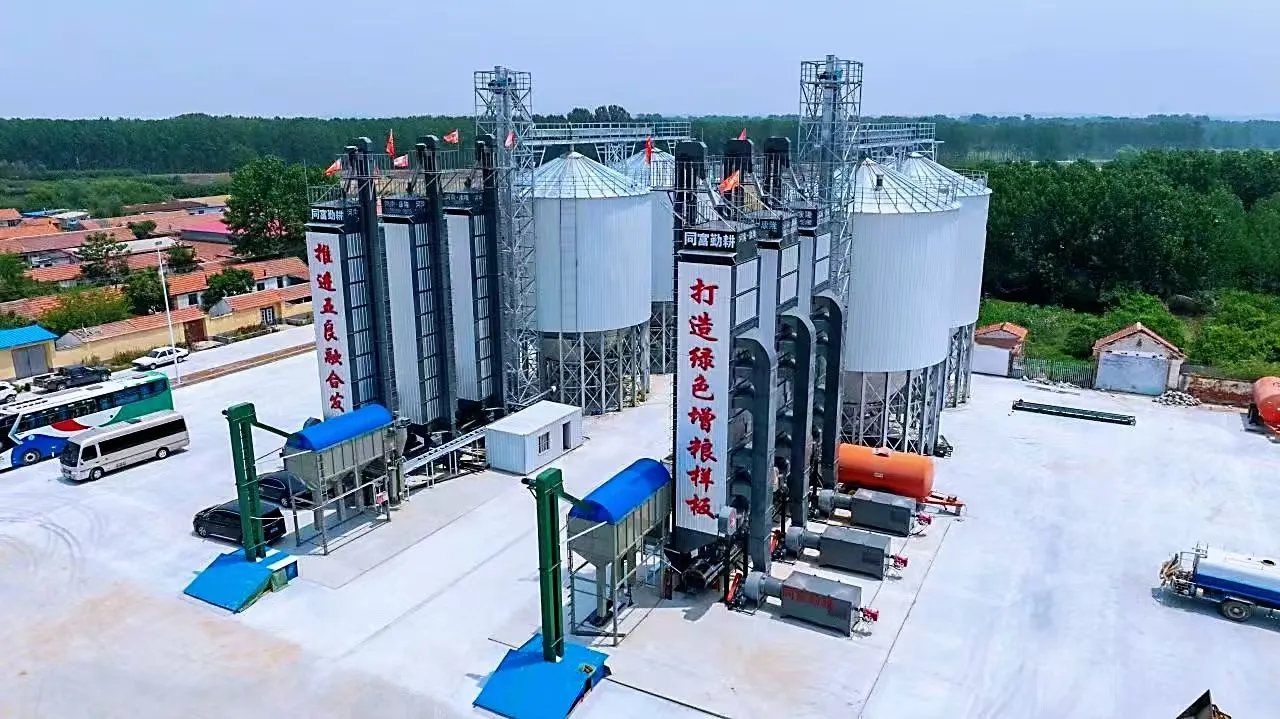
Technology: Low-Temperature Drying Built for −15 °C
A cold-climate site changes everything about dryer design. At −15 °C ambient, conventional dryers lose efficiency fast and grain cracks from thermal shock. This project was built around three engineering pillars that keep drying even and efficient in deep winter:
Heat-Recovery Drying
A high-efficiency heat-recovery system captures exhaust heat and pre-warms incoming air, so the dryer does not start cold. This is the main driver behind the ≈18% fuel saving versus the client's previous equipment.
Thermal Insulation & Anti-Freeze
An enhanced thermal-insulation drying tower plus an inlet-air preheating system and anti-freeze moisture-exhaust ducts — all optimized for −15 °C ambient — keep the process stable through extreme winter.
Staged Variable-Temperature Control
The PLC runs multi-stage drying curves per grain type: gentle low-temperature holding instead of aggressive high heat, protecting germination and keeping moisture uniform within ±0.5%.
Fuel & Energy Efficiency
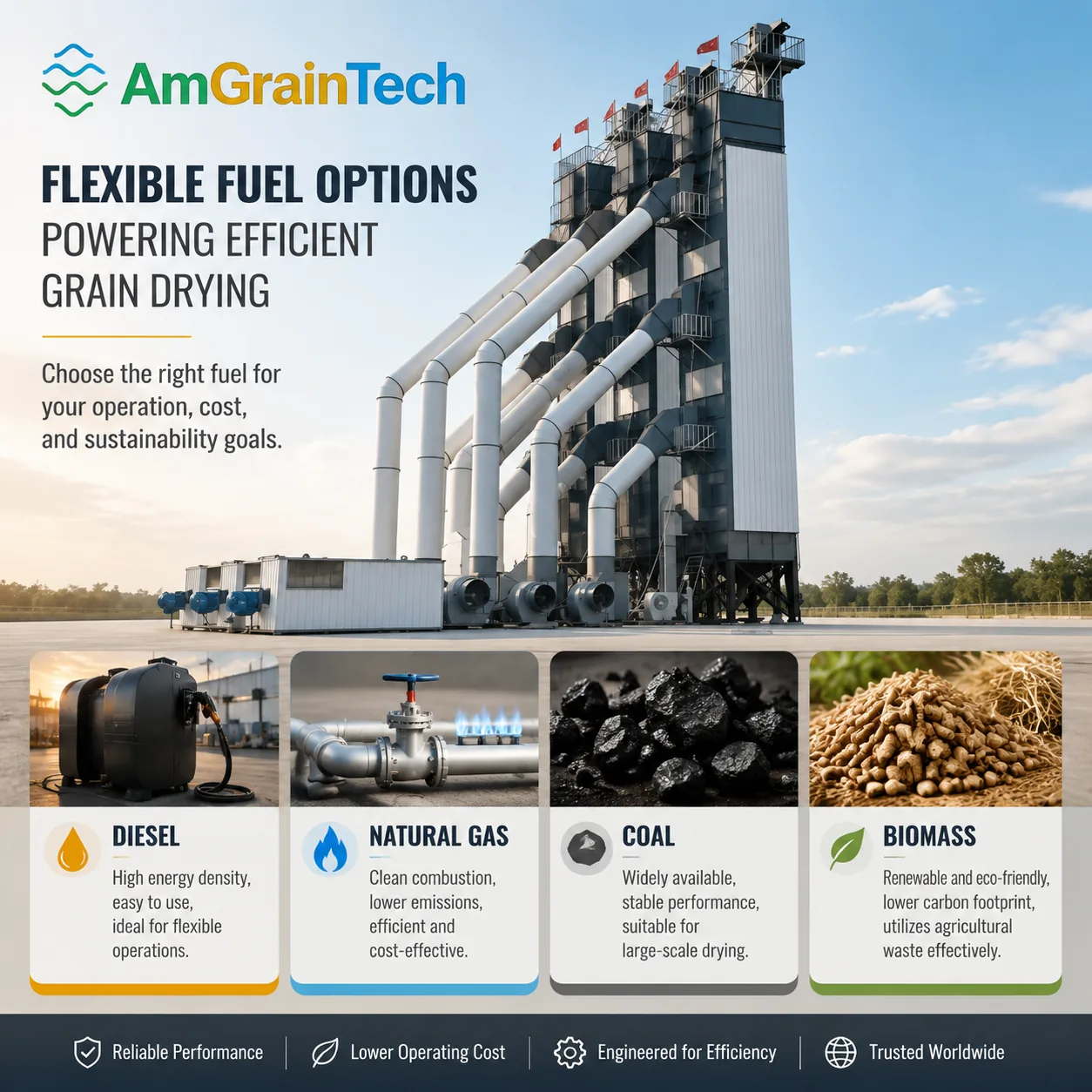
Fuel is the largest running cost of any drying operation, and in cold-climate Europe it is compounded by heating losses. Beyond the heat-recovery system above, the project benefits from the multi-fuel burner option — the operator can switch between locally available and cheapest fuels (diesel, natural gas, coal, biomass pellets) instead of being locked to one:
- Type A — clean fuels: natural gas, diesel, electricity — suited to strict-emission regions and food-grade drying.
- Type B — economical fuels: coal and biomass pellets (rice husk, straw, wood chips) — suited to cost-sensitive markets.
- Steam: can use waste-heat steam where the plant sits inside an industrial park.
Project Background, Challenge & Solution
Client Background: The client is a mid-sized grain collection and storage enterprise in an Eastern European country, procuring wheat, barley and rapeseed from surrounding farms.
Challenge: Local winter temperatures drop to −15 °C, where conventional drying efficiency collapses. The client required stable low-temperature operation with very tight post-drying moisture uniformity (within ±0.5%) to meet strict local grain-trader standards, while keeping fuel cost under control.
Solution: AmGrainTech supplied a customized low-temperature drying solution: an enhanced thermal-insulation drying tower, a high-efficiency heat-recovery system, intelligent staged temperature control, an inlet-air preheating system and anti-freeze moisture-exhaust ducts optimized for −15 °C. The PLC runs multi-stage variable-temperature drying curves per grain type, locking moisture uniformity at ±0.5%.
Result: The equipment ran stably through extreme winter, achieving ±0.5% moisture-control accuracy and exceeding expectations. Fuel consumption dropped about 18% versus the previous equipment, delivering significant annual operating-cost savings. The project became AmGrainTech's benchmark reference for cold-climate Europe.
5HX Low-Temperature Batch Series (Reference)
This project is built on AmGrainTech's 5HX low-temperature batch drying technology. The 5HX line uses constant low-temperature drying (adjustable hot air 20–120 °C) and is configured per site — the table below shows the reference line; the Eastern Europe unit was a custom cold-climate configuration for 120 TPD daily throughput.
| Feature | 5HX Low-Temperature Batch Line |
|---|---|
| Batch capacity | 3–35 t / batch (multiple units for larger daily throughput) |
| Hot-air temperature | 20–120 °C, adjustable |
| Drying method | Low-temperature constant drying, moisture even inside & out |
| Heat sources | Diesel / natural gas / coal / biomass / steam (multi-fuel) |
| Moisture control | PLC staged control, high uniformity |
| Infrastructure | Fixed or mobile; minimal foundation |
Standard configuration supports corn, wheat, rice, soybean, rapeseed and oilseeds. Capacity, heat source and moisture-reduction range are customized per grain type and site climate.
Project Outcomes
Delivery & Commissioning Timeline
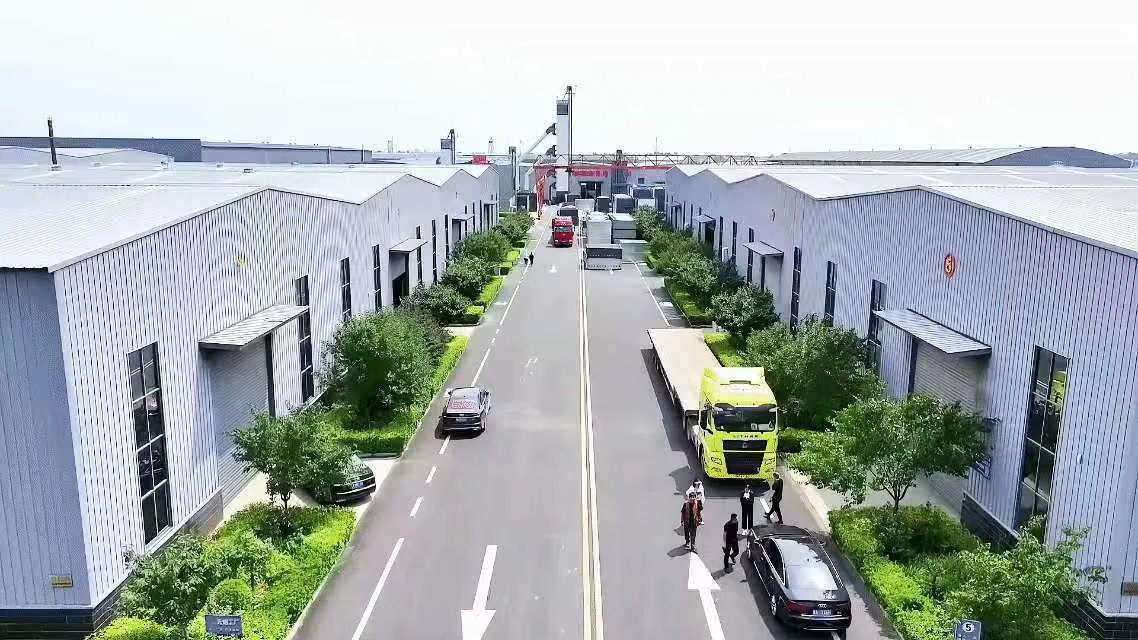
Custom cold-climate low-temp dryer built at our Henan base (ISO 9001)
Equipment packed and shipped to Eastern Europe
Completed 2024 with remote technical guidance
Ran stably at −15 °C, ±0.5% moisture, 18% fuel saving
Why the ≈18% Fuel Saving Was Achieved
- High-efficiency heat recovery — exhaust heat pre-warms incoming air, so the dryer never starts cold; the single largest saving at −15 °C.
- Enhanced thermal insulation + inlet-air preheating — cuts heating losses that normally balloon in deep winter.
- Anti-freeze moisture-exhaust ducts — keep the drying tower running instead of icing up and stopping.
- PLC staged variable-temperature control — matches heat input to real-time moisture, eliminating the over-drying that wastes fuel.
Client Evidence
“Low-temperature drying is gentle on grain: germination rates of our seed lots have stayed rock-solid, and with 35 t per batch there is no more queueing at harvest.”
Frequently Asked Questions
What is the capacity of the Eastern Europe drying project?
Why use low-temperature drying in a cold climate?
How is ±0.5% moisture uniformity achieved?
How much fuel does it save?
Which grains can this dryer process?
What fuels can the burner use?
Does it work in extreme winter?
Does AmGrainTech provide installation and training?
Explore Related Solutions
Need a cold-climate grain drying solution?
Tell us your grain type, inlet moisture, target capacity, ambient low temperature and preferred fuel — we return a configured low-temperature proposal and layout.