
120 TPD Rice Milling Production Line
Customized for South American Paddy Varieties · Brazil · Delivered 2020

AmGrainTech delivered a 120 TPD rice milling line in Rio Grande do Sul, Brazil in 2020 — customized for local paddy varieties such as IRGA 424, with full-process automated control. A single shift runs with only three operators, and the line's success opened AmGrainTech's path into the South American grain-processing market.
Project Gallery
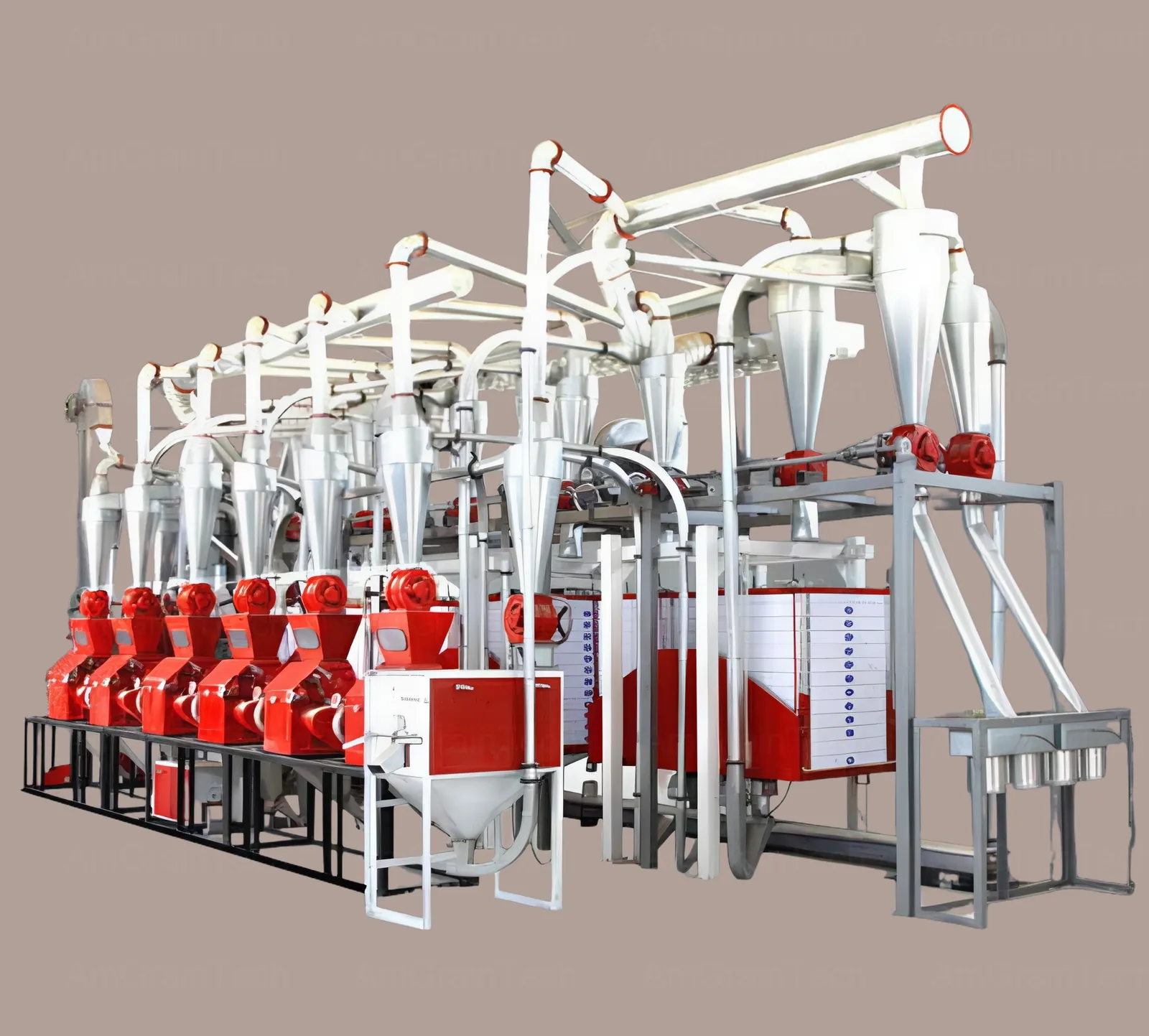
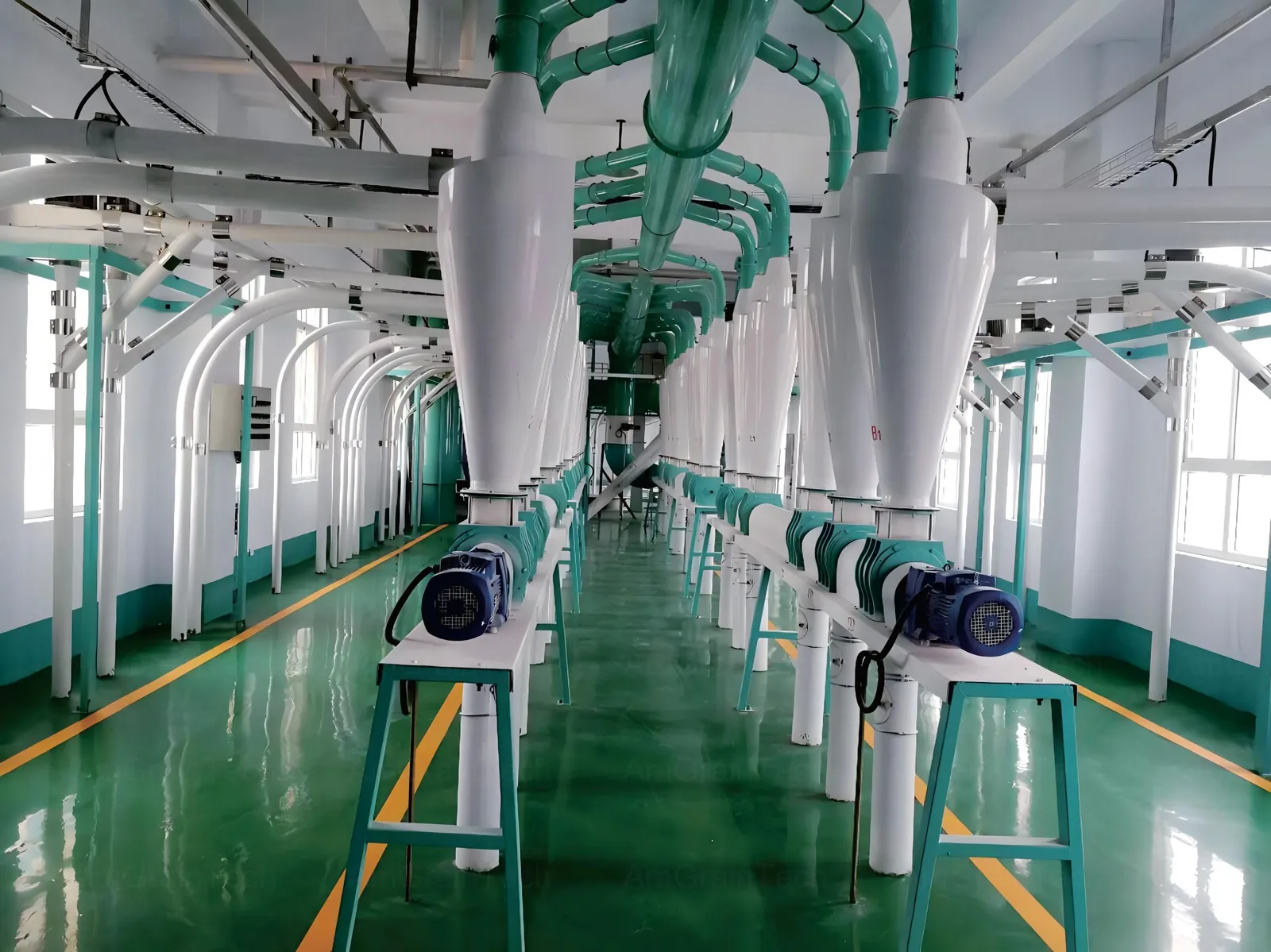

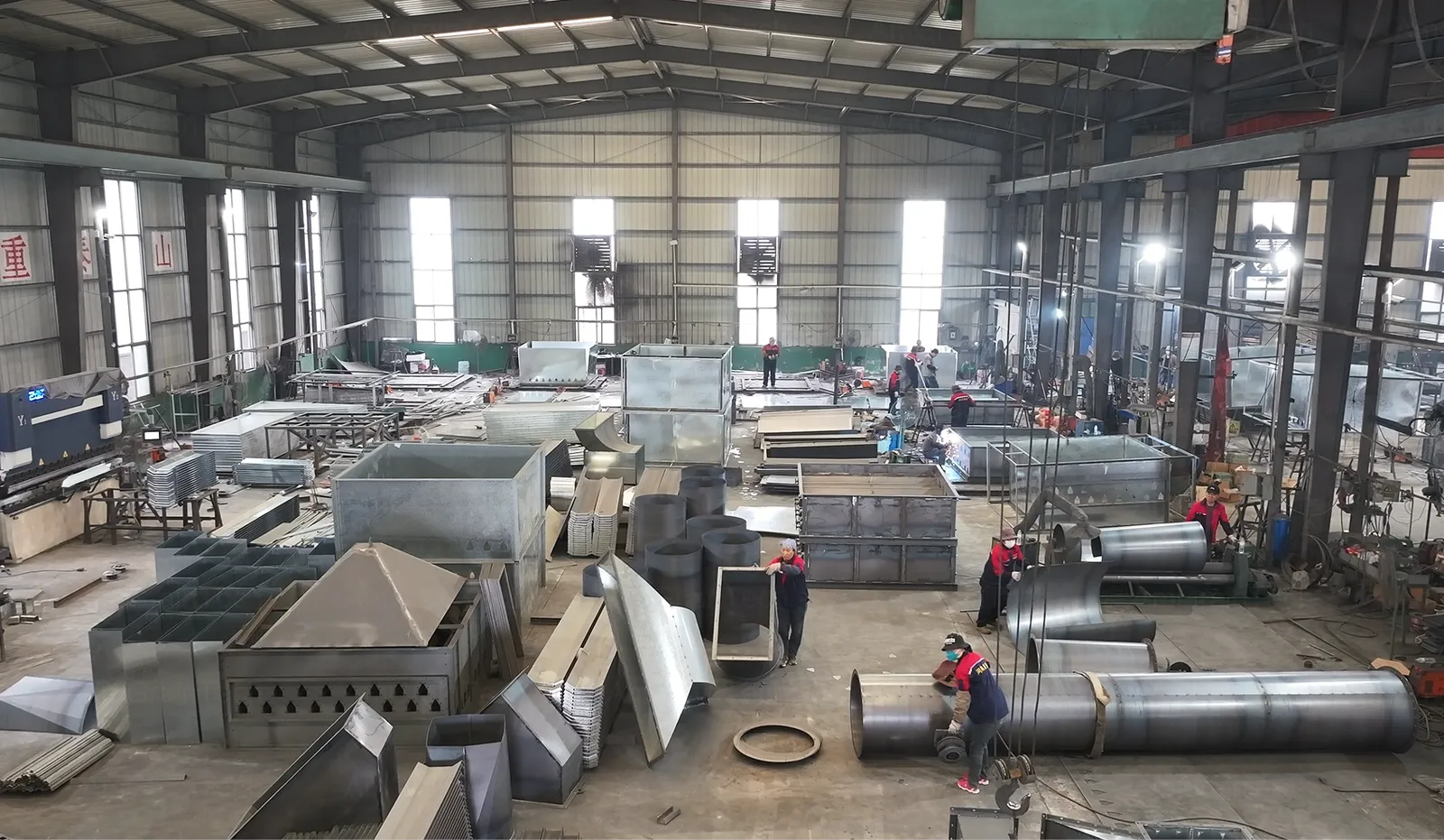


Technology: Variety-Specific Process Tuning
Southern Brazilian paddy varieties such as IRGA 424 differ from common Asian varieties in grain shape, hardness, and moisture content — generic processing parameters fail to achieve optimal results. This line was tuned around the local grain:
Multi-Pass Whitening for Long Grain
Whitening pressure and roll speed were optimized for long-grain Brazilian varieties, protecting the kernel while achieving clean bran removal and stable whiteness.
One-Touch Recipe Switching
The PLC system stores process recipes for different paddy varieties — operators switch between varieties with one touch, keeping quality consistent across the cooperative's mixed intake.
Standards-Compliant Electricals
All electrical components comply with Brazil's INMETRO standard, and the line was engineered to meet MAPA food-processing certification requirements.
Process Flow
Complete milling chain, customized for Brazilian paddy varieties:
- Cleaning & de-stoning — removes impurities and stones at intake.
- Husking → paddy-rice separation — gentle husking to protect the brown rice kernel.
- Multi-pass whitening — pressure and speed optimized for long-grain varieties.
- Polishing → grading → color sorting — premium appearance and uniform grading.
- Automatic packaging — sealed, weighed, and palletized automatically.
Project Background, Challenge & Solution
Client Background: The client is a rice-processing cooperative in Rio Grande do Sul, Brazil — the country's largest rice-producing region, accounting for roughly 70% of national output. The cooperative's members include several hundred local small and mid-sized rice farmers.
Challenge: Local paddy varieties differ from common Chinese varieties in grain shape, hardness, and moisture content, so generic processing parameters fail to achieve optimal results. The client needed an automated line tuned for local varieties and compliant with Brazil's MAPA food-processing standards.
Solution: AmGrainTech delivered a 120 TPD line customized for Brazilian paddy varieties: cleaning and de-stoning → husking → paddy-rice separation → multi-pass whitening (optimized pressure and speed for long-grain varieties) → polishing → grading → color sorting → automatic packaging. The PLC supports one-touch switching between process recipes for different varieties, and all electrical components comply with INMETRO.
Result: Delivered and commissioned in 2020. Finished rice quality is stable, with head rice yield and appearance outperforming comparable local lines. High automation means a single shift requires only three operators. The project laid the groundwork for AmGrainTech's entry into the South American market.
Project Outcomes
Delivery & Commissioning Timeline
Line configured around local paddy varieties and MAPA requirements
Equipment built and factory-tested at our Henan base (ISO 9001)
On-site installation and training; commissioned 2020
Stable quality outperforming comparable local lines
Why Variety-Specific Tuning Matters in Southern Brazil
- Grain shape drives machine settings — long-grain IRGA 424-class paddy cracks under generic whitening pressure; tuned pressure and speed protect head rice yield.
- Hardness and moisture vary by variety — one-touch recipe switching keeps quality stable when the cooperative's intake mixes varieties across members.
- Local compliance is non-negotiable — INMETRO electricals and MAPA food-processing requirements were engineered in from the start, not retrofitted.
- Cooperative scale favors automation — hundreds of member farmers, but a single 120 TPD line runs with three operators per shift.
Client Evidence
“The line was tuned to the long-grain varieties we actually grow here. Three people run the whole plant, and labor costs have dropped noticeably.”
Frequently Asked Questions
What is the capacity of the Brazil rice milling project?
How was the line adapted to Brazilian paddy varieties?
Which standards does the line comply with?
How many operators does the line need?
What is the process flow?
Who was the client?
What was the result for quality?
Does AmGrainTech deliver installation and training?
Explore Related Solutions
Planning a rice milling line for local varieties?
Tell us your paddy variety, grain shape and target capacity — we return a configured milling line proposal with process parameters tuned to your grain.